One of the most important early steps in any construction project is understanding what lies beneath the surface. Yet, ground conditions are sometimes left as an unknown until the design process is already underway. This can lead to unexpected costs, design changes and delays that could have been avoided.
Geological investigations, soil analysis and percolation tests should all be carried out before the structural engineer and civil engineer begin their designs. But why are these investigations so important, and how can they help keep your project on track?
Step 1. Getting the Foundations Right
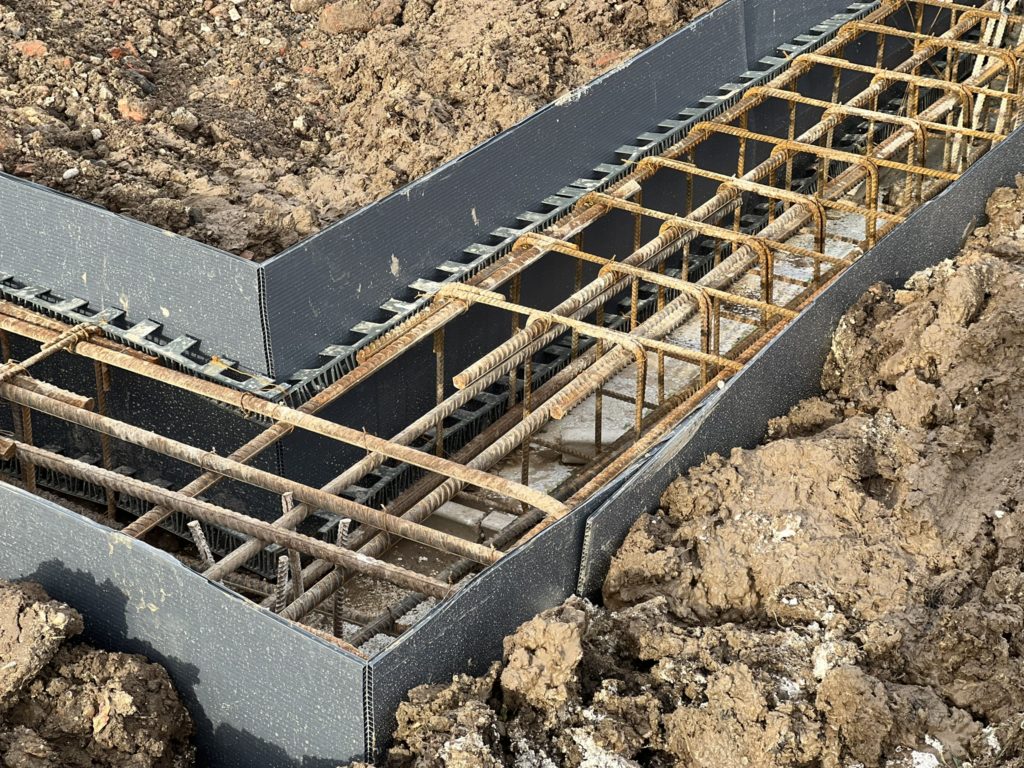
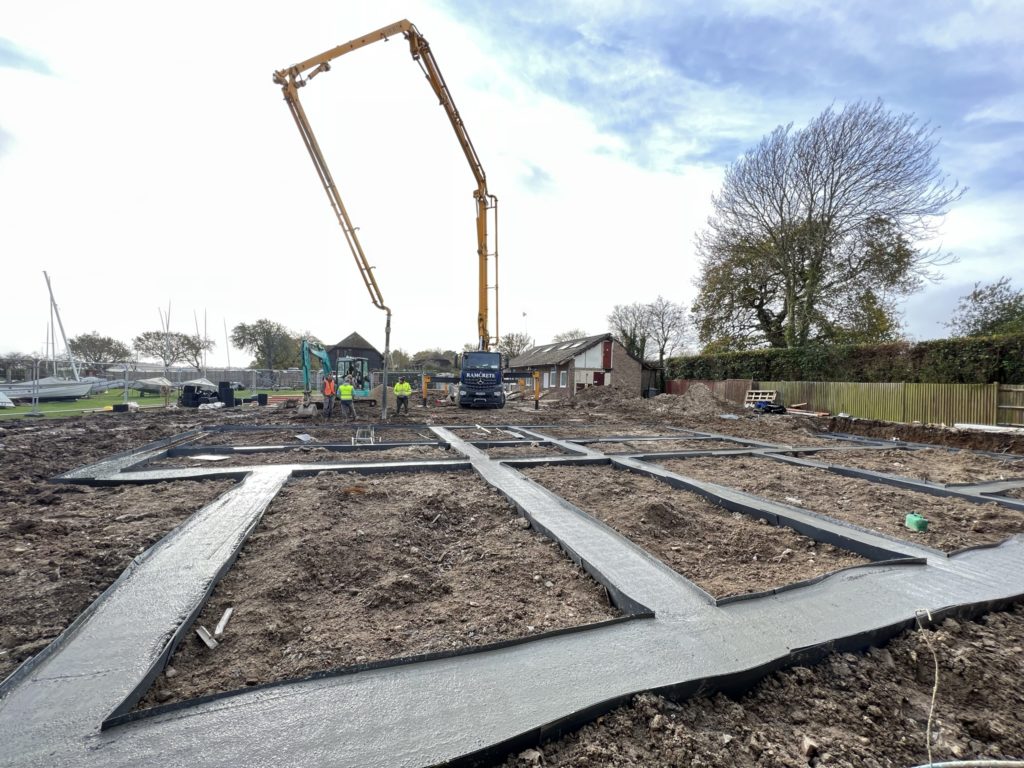
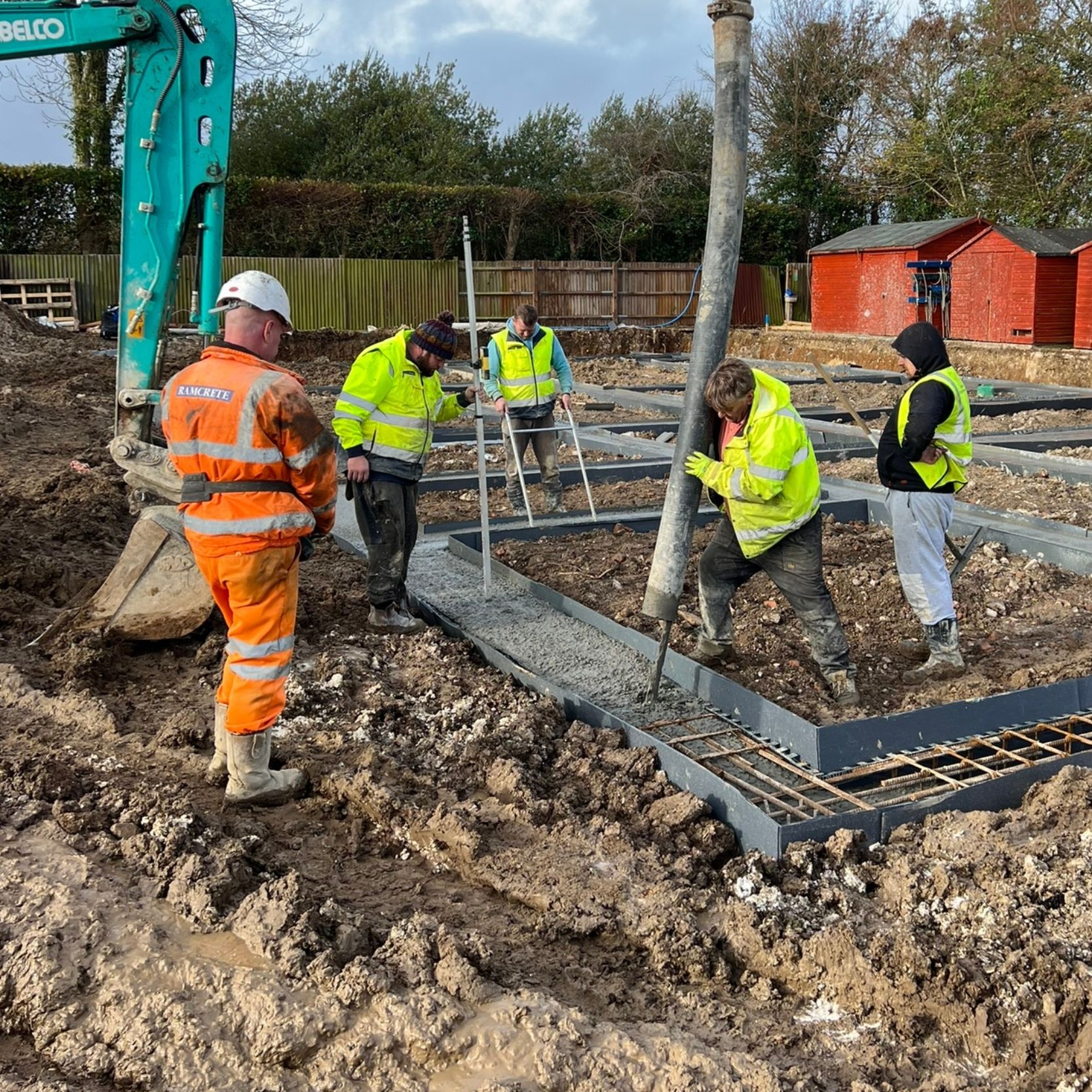
The ground beneath your building plays a major role in determining the type of foundations required. Different soil types and ground conditions demand different solutions. Understanding these conditions early allows your engineer to design foundations that are both suitable and cost-effective.
For example, unstable or challenging ground conditions, such as certain types of clay, may require deeper foundations or, in more complex cases, piled foundations. Both options can significantly increase construction costs compared to traditional shallow foundations which may extend to around one meter below ground level.
Piled foundations, on the other hand, can extend 10 meters or more and require specialist equipment and contractors to install.
By investigating the ground conditions early, you give your structural engineer the information needed to select the right foundation solution. You can then establish a more realistic construction budget for the ‘ground works’ before committing to the build.
Step 2. Managing Rainwater and Surface Water
Ground investigations are equally important when it comes to managing rainwater. Your civil engineer will use the geological information, soil analysis and percolation test results to design an appropriate drainage strategy for water collected from roofs, patios and other impermeable surfaces.
One of the most common approaches is a soakaway. This is an underground drainage system, often made from modular plastic crates, that temporarily stores rainwater and allows it to gradually soak into the surrounding ground.
Typically, a soakaway is positioned at least five meters away from a building, although the final location and design must comply with the relevant requirements and site constraints. Underground drainage pipes carry rainwater from roof downpipes and other collection points to the soakaway.
The key question is whether the ground can absorb the water effectively. This is where percolation testing becomes particularly valuable. The results help determine whether a soakaway is suitable and if so, how large it needs to be. The size will depend on factors such as the ground’s infiltration capacity and the area of roof or paving draining into it.
If the ground conditions are unsuitable, a soakaway may not be a practical solution. An alternative drainage strategy may be required, potentially including an application to discharge surface water into a sewer. However, sewer connections are often restricted due to capacity constraints, so this option should never be assumed to be available.
Step 3. Avoiding Unexpected Costs and Delays
Understanding your ground conditions early is crucial for the entire project. It allows your engineers to develop appropriate designs, helps establish realistic construction costs and gives contractors the information they need to price their work accurately.
Without this information, you risk discovering that your foundations need to be deeper than expected or that your planned drainage system simply won’t work. These discoveries can result in redesigns, additional applications, increased costs and delays once construction is underway.
The takeaway? Don’t leave the ground beneath your project to chance.
Investing in the right investigations at the beginning can save considerable time, money and stress later on. By understanding your site before the design work begins, you can make informed decisions, budget with greater confidence and give your project the best possible start.