Who is your project really for?
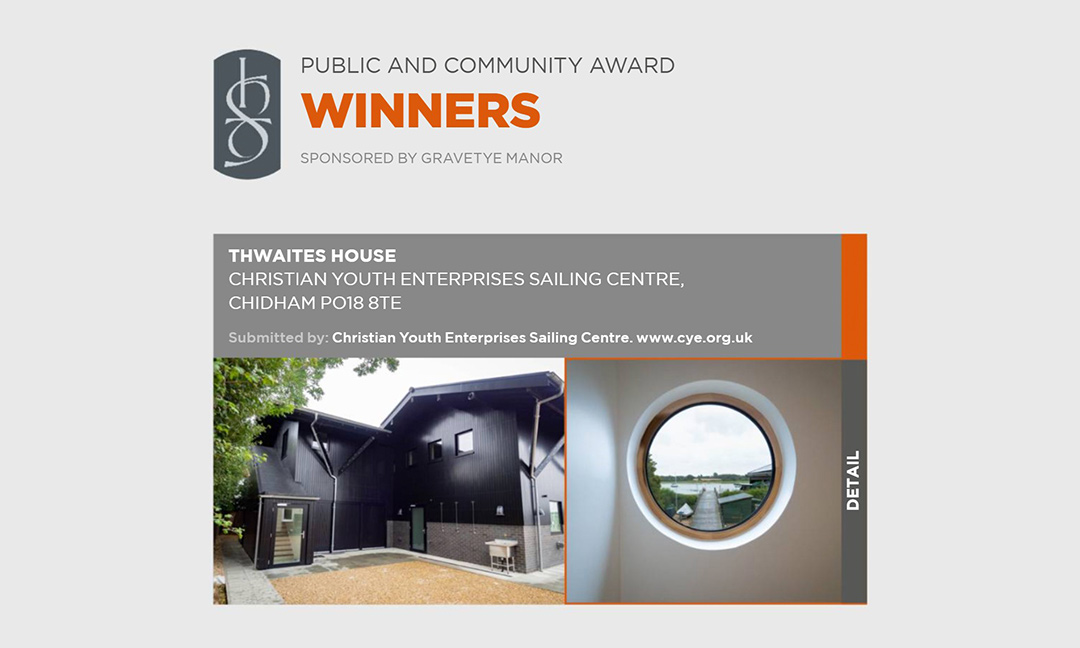
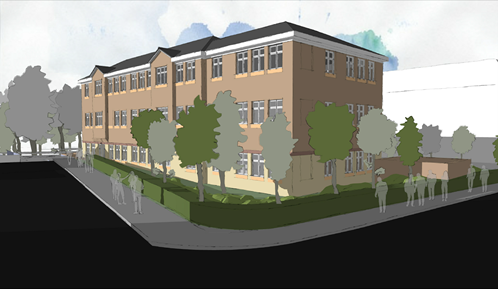
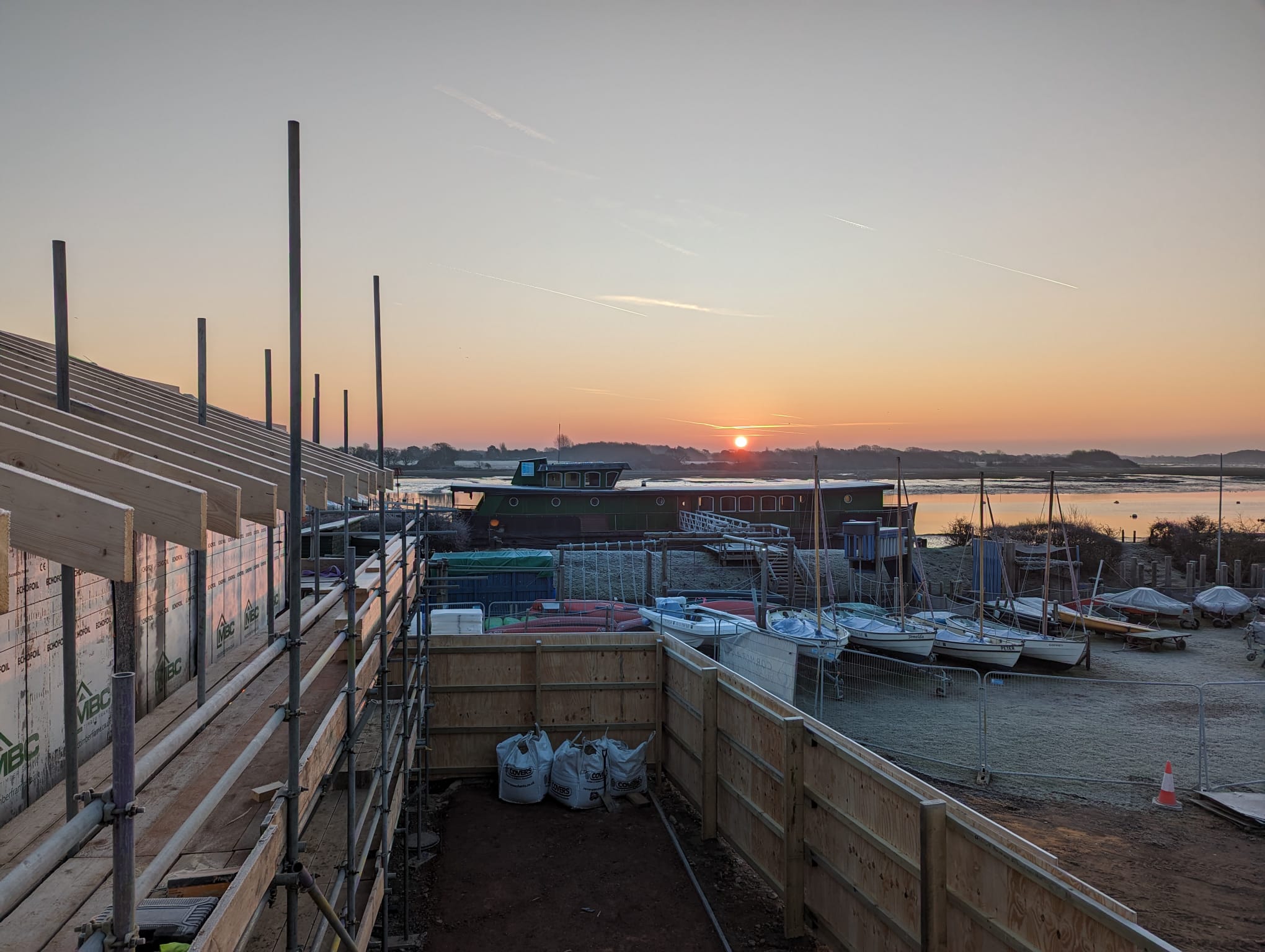
On a recent new-build commercial project for Christian Youth Enterprises, that question sat behind almost every decision we made.
Because the answer wasn’t straightforward. Yes, there was a client. But there were also multiple stakeholder groups shaping how the building needed to function.
We were navigating:
• Charity stakeholders – balancing programme ambitions with funding realities
• Design consultants – translating evolving operational needs into a cohesive design
• Contractor teams – delivering efficiently while adapting to change
And at the centre of it all was building use. Not just what the building looked like, but how it would actually operate, day-to-day across different users.
From a director’s perspective, this is where stakeholder management becomes real.
You’re not just coordinating inputs, you’re responsible for drawing out what people actually need from the space, aligning different voices and making decisions that will stand up in use, not just on paper.
That responsibility is heightened on projects funded through charitable donations. You’re not just delivering against a brief or a budget, you’re stewarding money that’s been given in trust, often with a clear purpose behind it. That changes the nature of every conversation.
The insight?
The more complex the stakeholder landscape, the more important it is to design around use, not hierarchy. Because the success of a building isn’t defined at handover, it’s defined by how well it works once people occupy the space.